
Sicilian Orange
Origin
Fruit of Asian origin, particularly from the south-east, it was imported into Europe by Portuguese sailors around the 14th century, although in some Roman texts dating back to the 1st century BC. we are talking about a fruit, grown in Sicily, called “melarancio”.
Specifications
Thanks to the geomorphology of the territory and the dry climate with notable night-time temperature variations, Sicilian oranges are a unique product in terms of type and properties.
Property
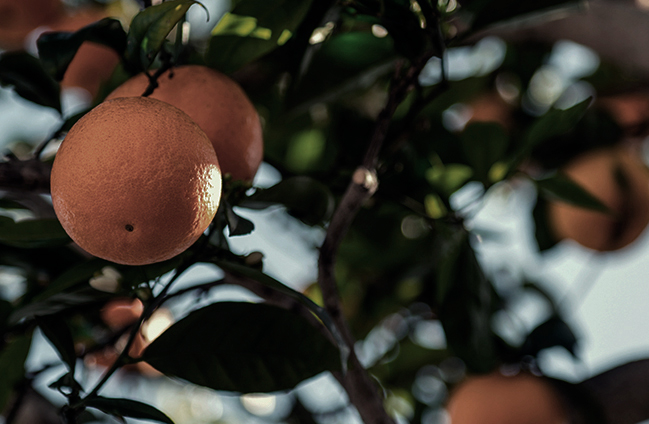
They can take on a blonde/yellow-orange or red color depending on the soil of origin.
The Sicilian orange is rich in vitamins, in particular C, A, group B and PP. They are a useful fruit for improving circulation, thanks to the presence of bioflavonoids, and for the correct function of our intestine, because they have a high concentration of fibre. It is also an excellent ally of youth, as it is rich in antioxidants, which fight free radicals.
Usage
This semi-finished product is suitable for any type of preparation. Particularly used in the confectionery, ice cream, and pastry industries, its strong, aromatic flavor enhances the flavors of any creation.
Curiosity
Sicilian oranges owe their intense color to the temperature fluctuations between day and night: it is precisely this variation that promotes the formation of anthocyanins, responsible for their deeper red hues. For centuries considered a precious fruit, oranges were traditionally given as gifts during festive occasions as a symbol of prosperity and good fortune, becoming an iconic element of Mediterranean tradition.